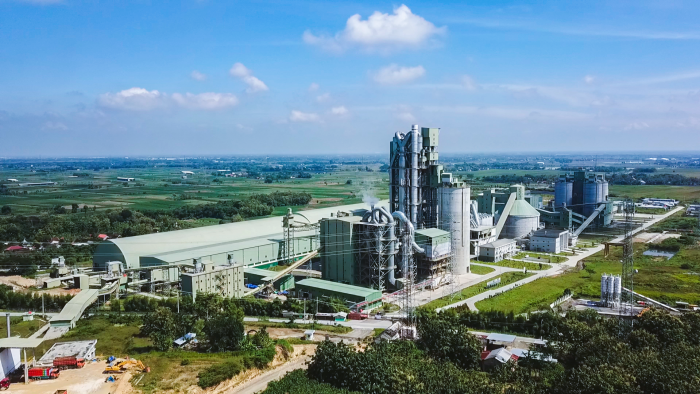
At Heidelberg Materials’ Grobogan plant in Indonesia, we have taken a significant step towards sustainability through the implementation of co-processing. The plant is introducing a new system to utilise local agricultural and municipal waste as alternative fuels. This initiative aims to reduce reliance on conventional fossil fuels, aligning with the company’s commitment to lower carbon emissions and promote circular economy practices.
In 2025, we commissioned a new, advanced alternative fuels (AF) feeding system in Grobogan. The system is designed to enable the plant to substitute substantial volumes of its conventional fuel use with regional alternative fuels such as rice husk, wood chips or RDF. This shift will not only contribute significantly to reducing CO₂ emissions but also supports the energetic recovery of different types of local waste streams, turning potential environmental liabilities into valuable energy resources.
By advocating for and investing in regional alternative fuels, Heidelberg Materials demonstrates its commitment to sustainable manufacturing. The Grobogan project highlights the company’s broader strategy to increase the use of alternative fuels across its operations, making a material difference in both environmental impact and resource efficiency.