Decarbonizing Cement Manufacturing with Low-Carbon Alternative Fuels
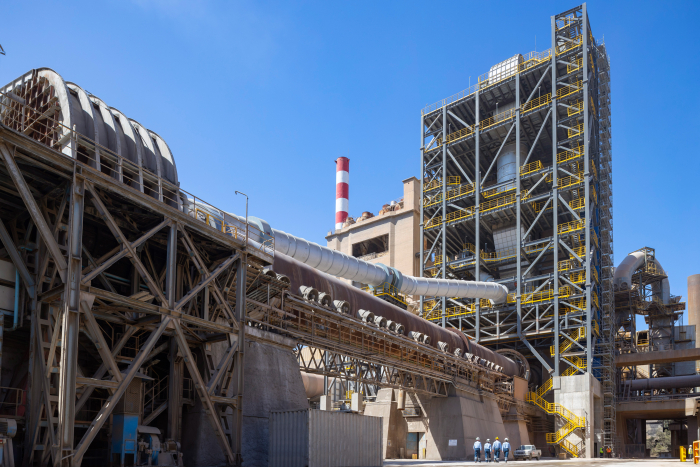
TITAN Group has made significant strides in decarbonizing cement production through the expanded use of alternative fuels such as biomass, refuse-derived fuel (RDF), and industrial waste streams. This approach aligns with the Group’s Decarbonization Roadmap and the principles of the circular economy, optimizing resource efficiency while reducing dependence on fossil fuels.
In 2024, TITAN achieved an average thermal substitution rate (TSR) of 21.2%, with standout performances at several plants. The Kamari plant in Greece reached nearly 60% TSR, while three other plants—Alexandria (Egypt), Thessaloniki (Greece), and Zlatna Panega (Bulgaria)—exceeded 30%. At Kamari, the upgrade of Kiln 1 from a four-stage preheater to a modern precalciner kiln improved thermal efficiency and enabled higher alternative fuel usage. Similarly, the upgraded RDF feeding system at the Beni Suef plant in Egypt enhanced thermal performance and increased TSR.
By replacing traditional fuels with low-carbon alternatives, TITAN reduces Scope 1 emissions while diverting waste from landfills. To further accelerate progress, strategic investments exceeding €75 million are planned over the next three years and are currently at various stages of development. Through these initiatives, TITAN strengthens long-term competitiveness, improves energy security, and delivers measurable CO₂ reductions, setting a benchmark for sustainable cement manufacturing.