Animal meal in cement kilns
In the early 2000s, Europe faced a severe public health crisis: Bovine Spongiform Encephalopathy, or “mad cow disease.” Fears grew that the disease in cattle could be transmitted to humans. Tens of thousands of ruminants were slaughtered, creating an urgent need to control the outbreak, protect consumers of animal protein, and manage the large volumes of shredded carcasses.
In Portugal, between 2000 and 2004, thousands of cattle were processed. The resulting animal meal was first sent to landfills, but rising public health concerns forced its storage in dozens of publics, privates, and even military warehouses. The problem escalated and attempted by the Ministry of Agriculture to export or incinerate the material in Germany followed unsuccessful technological trials in Portugal.
At the government’s request, Secil took on a decisive role. Working with National Health and Environmental Authorities, it developed a safe and innovative solution: energy recovery of the animal meal in cement kilns, using its calorific value while eliminating biological risks. To implement the project, Secil promoted the creation of a company – AVE, S.A. – with specialized logistics and environmental partners.
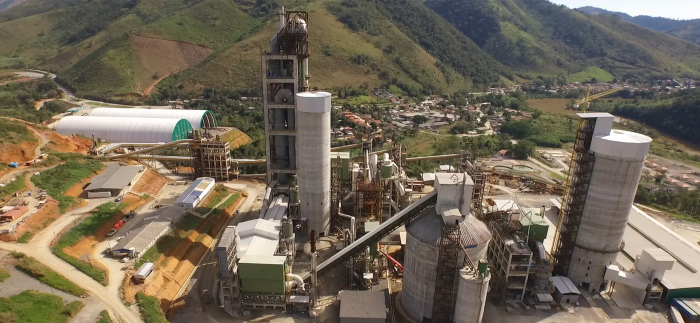
At the Outão plant, technical and safety frameworks were defined, and sealed systems for unloading, storage, and feeding were installed.
Results were exemplary: from 2004 to 2008, over 300,000 tons of animal meal were eliminated, two-thirds at Outão. The process avoided 170,000 tons of petcoke and reduced CO₂ emissions by about 500,000 tons.
Today, slaughterhouses valorise these residues directly, proving that Secil’s solution enabled a sustainable, autonomous model. Producing cement is also creating solutions for society.